Bankruptcy Attorney Cost: Legal Fees, Filing Costs, and What to Expect
Delving into Bankruptcy Attorney Cost: Legal Fees, Filing Costs, and What to Expect, this introduction immerses readers in a unique and compelling narrative, providing an overview of the typical breakdown of legal fees, factors influencing costs, and the importance of transparent pricing in dealing with bankruptcy attorney costs.
Exploring payment structures, filing costs, and strategies for managing expenses, this discussion aims to shed light on crucial aspects of understanding bankruptcy attorney costs.
When considering hiring a bankruptcy attorney, it’s essential to understand the associated costs involved. Let’s break down the typical legal fees, factors influencing costs, and the importance of transparent pricing.
When dealing with bankruptcy attorney costs, transparency in pricing is crucial for clients to understand what they are paying for and to avoid any surprises later on in the process. Clear communication about fees and billing practices builds trust between the attorney and the client.
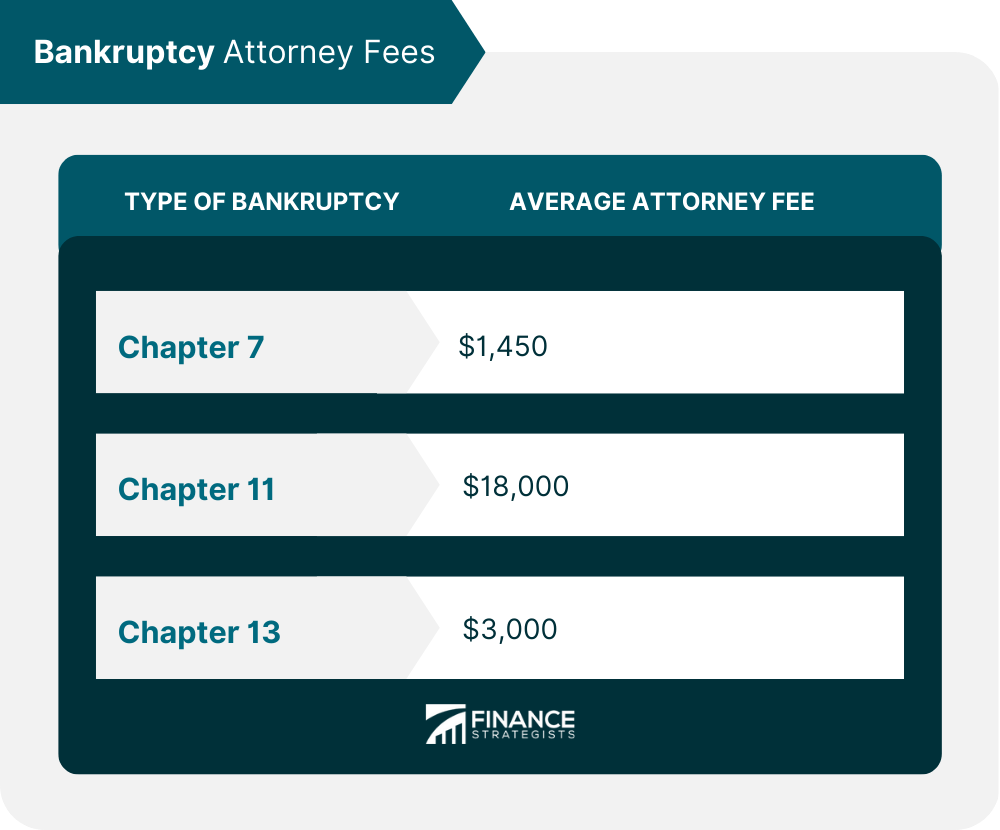
When hiring a bankruptcy attorney, understanding the legal fees and payment structure is crucial. Different attorneys may offer various payment options, so it’s important to compare and contrast them to make an informed decision.
Understanding the payment structure can significantly impact the overall cost of hiring a bankruptcy attorney. For example, hourly rates may end up costing more if the case is complex and requires extensive work. On the other hand, flat fees provide a clear picture of the total cost from the beginning, offering more certainty to clients.
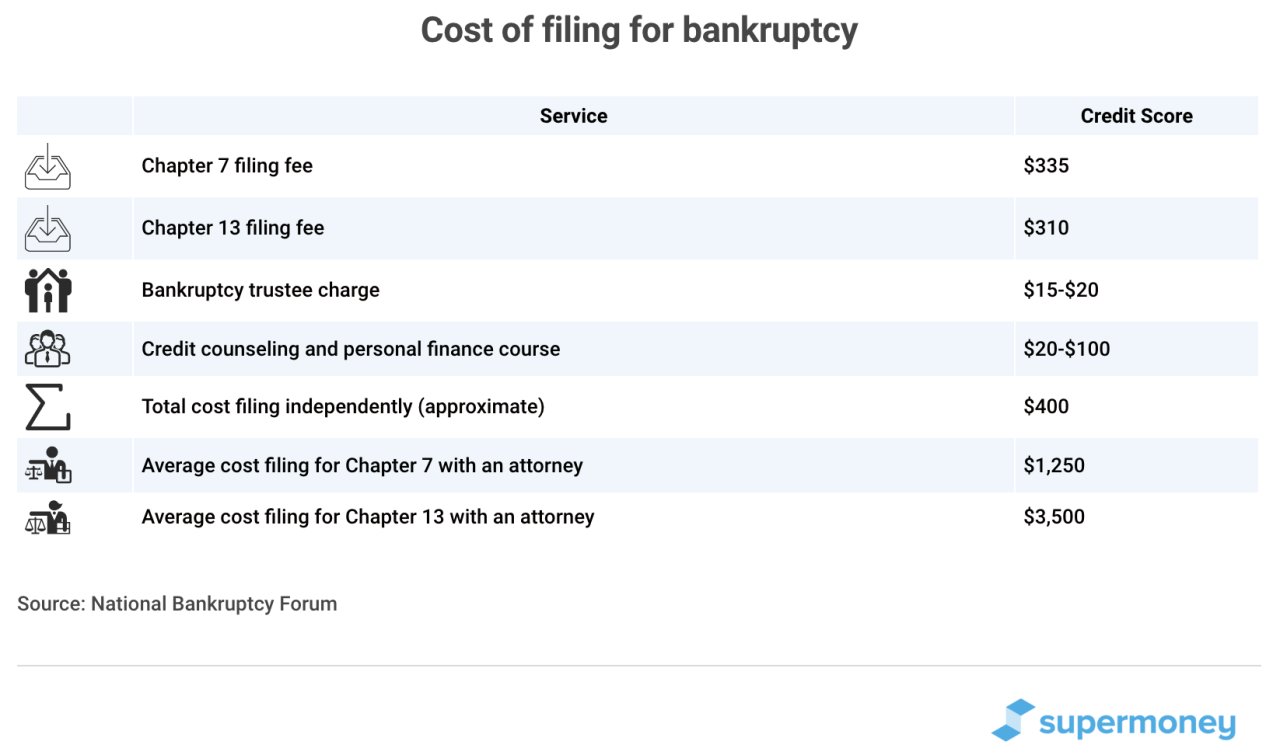
When filing for bankruptcy, it is important to consider not only the legal fees but also the various filing costs and additional expenses that may arise throughout the process.Typical filing costs and additional expenses associated with a bankruptcy case include court filing fees, credit counseling fees, debtor education course fees, and fees for obtaining credit reports.
Additionally, there may be expenses related to hiring experts, such as appraisers or accountants, to assist with the case.These filing costs are determined by the court and can vary depending on the type of bankruptcy being filed, the complexity of the case, and the location where the case is being filed.
For example, Chapter 7 bankruptcy filing fees may differ from Chapter 13 filing fees.To manage and budget for filing costs during the bankruptcy process, it is important to carefully review and understand all the fees involved. Creating a detailed budget that includes these costs can help individuals plan ahead and avoid any financial surprises.
Additionally, exploring payment options or potential waivers for certain fees based on financial hardship may be available in some cases.
When considering bankruptcy, it’s essential to understand what to expect in terms of legal fees. Here, we will Artikel the key steps in the bankruptcy process that may impact legal fees, provide insights on effective communication with your attorney to manage costs, and offer tips on what to expect in terms of legal fees at different stages of the bankruptcy process.
What are some factors that can influence the cost of hiring a bankruptcy attorney?
Factors like the complexity of the case, the attorney’s experience, and the location can impact the cost of hiring a bankruptcy attorney.
What are common payment structures used by bankruptcy attorneys?
Common payment structures include hourly rates, flat fees, and contingency fees based on the outcome of the case.
How can clients effectively communicate with their attorney to manage costs?
Clients can communicate openly about their budget constraints, ask about potential costs upfront, and stay involved in the decision-making process to manage costs effectively.